Any lawyer can help surface control, tax and liquidity gaps before families end up in court
Canada’s population is aging. Baby boomers and older Gen Xers still own a large share of private companies, making many of them asset‑rich but cash‑poor. When those owners die without resolving business succession questions such as control, liquidity and tax, it is often difficult and expensive for their families and advisers to sort things out.
Many business owners never work with a trusts and estates specialist when structuring their companies. It is the corporate or real estate lawyer who has been on speed dial for years. Those lawyers do not need to become specialists in trusts and estates, but they are often the ones who will determine whether these issues are addressed early or left to surface in litigation years later.
READ MORE: Focus on trusts and estates
Based on my conversations with trusts and estates lawyers across the country, here are four questions other lawyers can ask business‑owner clients before it is too late.
Who actually owns what?
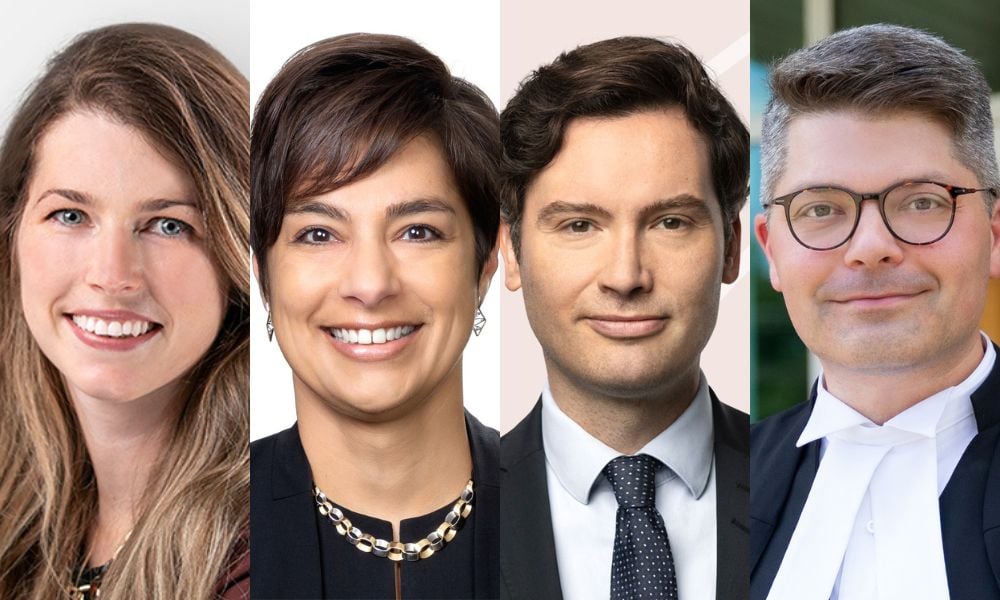
Calgary estates litigator Eleanor Carlson says more of her estate files now look like corporate disputes. The main assets are operating companies, shareholder loans, and layered corporate structures rather than bank accounts and houses.
For non‑specialists, the first task is to surface this complexity. Asking clients which companies they believe they own, where those companies are based, and whether anyone has recently mapped the structure on paper can reveal gaps long before they become part of a statement of claim.
What happens to the business if you do not wake up tomorrow?
Calgary wills and estates lawyer and Field Law managing partner Farha Salim spends much of her time business succession planning around private companies with enterprise values in the tens of millions. She now structures most mandates as joint projects with a corporate colleague: she handles wills, estates, and trusts, while business lawyers handle reorganizations, shareholder agreements, and governance.
She sees a recurring problem in shareholder agreements drafted to manage relationships between living founders, not to govern the rights of heirs who have never worked in the business. A buy–sell clause that works when partners are alive says little about what happens if an estate suddenly holds a large voting block.
For a non‑estate lawyer, a few questions go a long way: Who would control voting shares the day after you die? Who can sign cheques or talk to the bank? Is there a shareholder agreement, and does it address the role of an estate as a shareholder?
Are there any trusts in the picture, and how old are they?
In Montreal, Lavery tax lawyer Lucas Richard-Gérard now spends much of his time at the intersection of family trusts, private companies, and Canada’s 21‑year deemed disposition rule. Many discretionary family trusts that own operating company shares face a deemed sale of their assets on a fixed anniversary date, with new reporting and mandatory disclosure rules making it harder to reset the clock quietly.
What was once a technical footnote has become an existential event. Trustees must either allow the trust to absorb tax at the top marginal rate or transfer significant value to the next generation while the founders remain active in the business.
Non‑tax lawyers do not need to master the Income Tax Act. But they can ask clients whether any trusts own shares in their companies, when those trusts were settled, and whether anyone is tracking a 21‑year anniversary.
Have you used AI to draft your documents?
Secure AI enterprise tools can be an effective aid for trusts and estates lawyers, but in the hands of untrained clients, they can cause delay and confusion. Halifax estates lawyer Benjamin Carver says self‑represented parties are using consumer AI tools to generate polished but unreliable court materials. He also warns clients against pasting privileged correspondence or legal advice into public chatbots, noting that in some jurisdictions such materials may not always be treated as privileged.
Asking clients if they have used online tools to draft wills, shareholder agreements, or powers of attorney, and keeping privileged material out of public systems, can prevent avoidable problems later.
None of these questions requires a deep dive into probate rules or tax legislation. But as Canada’s business‑owning baby boomers move into their final working years, they may be the most important questions a non‑estate lawyer can ask.